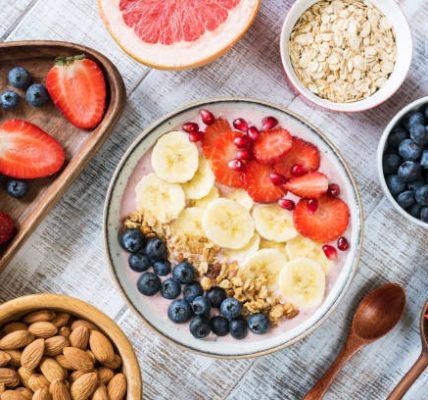
Effective fat control requires more than just occasional dieting; it involves consistent meal planning strategies that promote balanced nutrition and sustainable habits. One of the fundamental approaches is to focus on portion control, which helps manage calorie intake without the need for extreme restrictions. By understanding appropriate serving sizes and distributing meals evenly throughout the day, individuals can prevent overeating and maintain steady energy levels. This approach reduces the likelihood of excessive hunger that often leads to unhealthy snacking or binge eating.
Incorporating a variety of nutrient-dense foods is another key strategy in meal planning for fat control. Prioritizing whole grains, lean proteins, healthy fats, and plenty of vegetables ensures that meals are satisfying while providing essential nutrients. Lean proteins such as chicken breast, fish, legumes, and low-fat dairy help preserve muscle mass during weight loss efforts and increase satiety. Healthy fats from sources like avocados, nuts, seeds, and olive oil support metabolic functions without contributing to fat accumulation when consumed in moderation.
Timing also plays a crucial role in effective fat management through meal planning. Eating regular meals at consistent intervals supports metabolism by preventing prolonged periods without food that may trigger excessive hunger later on. Many find success with three balanced white maeng da kratom meals accompanied by one or two small snacks to keep blood sugar stable throughout the day. Avoiding late-night eating can further enhance fat control since metabolism tends to slow down during sleep hours.
Planning ahead reduces impulsive food choices that often derail fat control goals. Preparing meals in advance allows for better ingredient selection and portion regulation while minimizing reliance on processed or fast foods high in unhealthy fats and sugars. Keeping a well-stocked kitchen with fresh produce and wholesome staples encourages healthier cooking methods such as grilling, steaming, or baking instead of frying.
Hydration should not be overlooked within these strategies because drinking sufficient water aids digestion and helps differentiate between thirst and hunger cues-common sources of unnecessary calorie consumption. Additionally, limiting sugary beverages eliminates empty calories that contribute directly to fat gain.
Ultimately, successful meal planning for effective fat control hinges on creating realistic routines tailored to individual preferences rather than adopting rigid diets prone to failure over time. Consistency combined with mindful eating fosters long-term adherence while promoting gradual body composition improvements instead of rapid but unsustainable results. With thoughtful preparation focused on balance rather than deprivation, individuals can achieve lasting progress toward their health goals through strategic meal planning practices designed specifically for controlling body fat effectively.